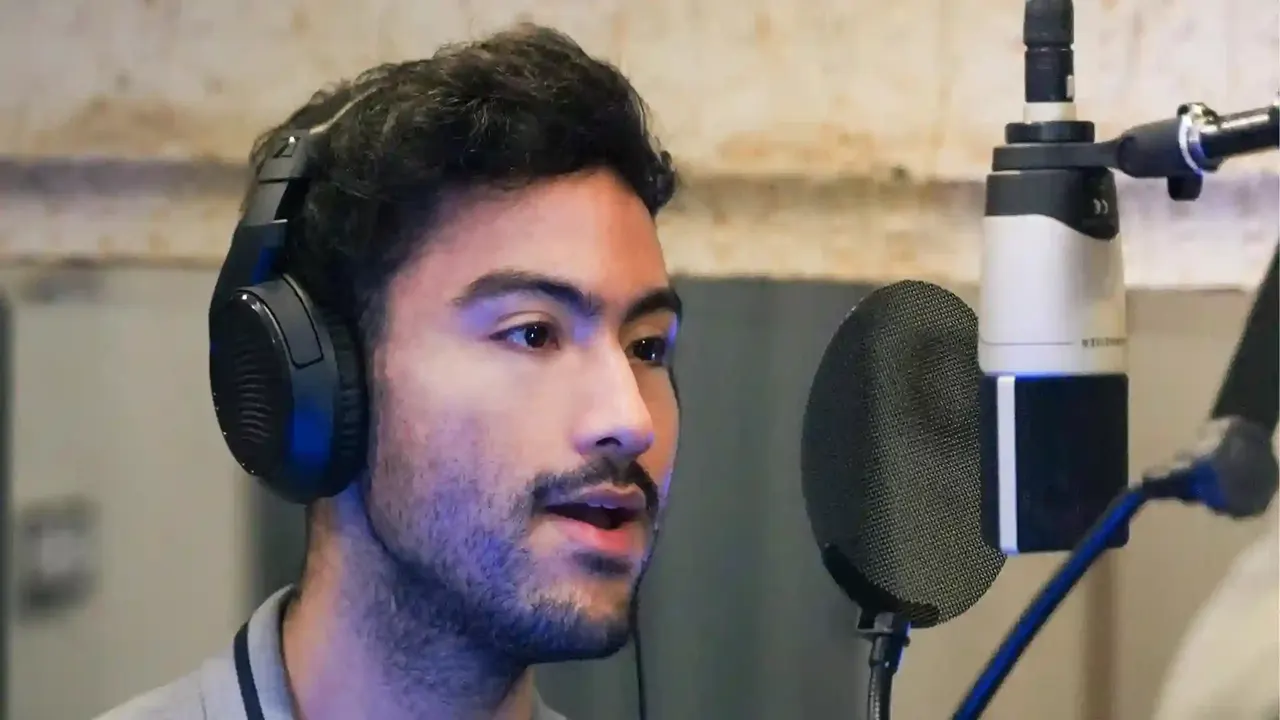
An audio tour stands or falls with the voice that tells the story. At GuideXpresse everything revolves around the ideal visitor guidance, and pre-produced content calls for a professional voice actor. In this article you can read what a voice actor adds, when you might be better off recording it yourself and how to approach a multilingual audio tour properly.
What is a voice actor?
A voice actor uses their voice professionally to record stories, in a professional studio. A good voice actor knows how to hold attention with tone, pace and emphasis. Your visitors will notice that straight away.
Can't I just record it myself?
Certainly. Sometimes that even adds value, for example if the founder of a company wants to address the guests personally, or on a tour of an office where guests hear a story at each desk from the employee who normally sits there.
Do pay attention to quality, though. Write good texts and record them in a (professional) studio. It sounds so much better than a recording at the kitchen table on your phone's voice recorder.
Start with a good story
When creating the perfect audio tour, it is often wise to bring in a professional copywriter. Even the best voice actor cannot rescue a messy text. Clear, short, fun and informative texts are the starting point. Also read how long an audio story should be.
Why in a studio?
Recordings need to be as quiet as possible. Background and ambient noise are out of the question, unless they deliberately add something, as with a 3D recording in the woods. With a good microphone, for example from Neumann, the voice sounds clean and clear. In a studio, acoustic material also dampens the room itself.
On the Find a voice page you can hear recordings the voice actors made in their own studios.
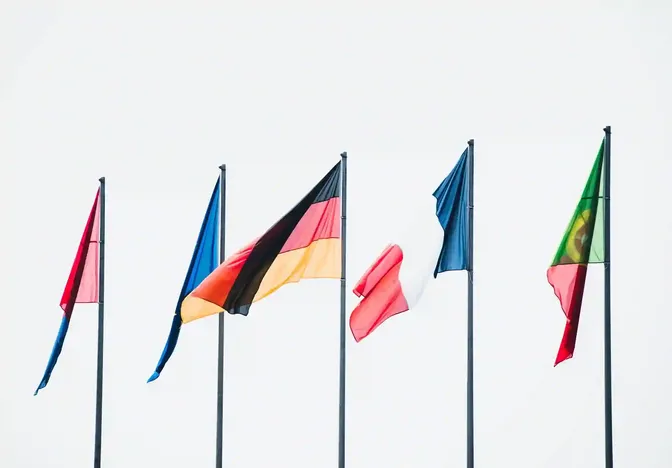
Several languages
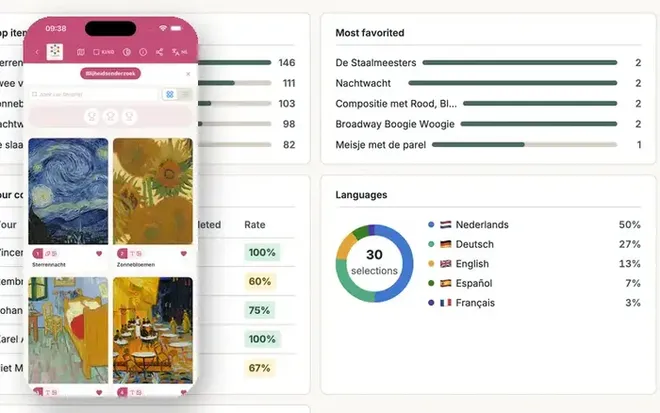
One of the biggest advantages of an audio tour is that you can offer it in different languages. Visitors choose their language at the start and then understand all the stories. The same principle applies to every language: a clean, clear recording and a clear, short, fun and informative text.
So choose voice actors whose native language it is. Visitors will certainly notice. Dutch-accented English may amuse a Dutch audience, but English speakers find it distracting.
Have the base text translated by a translation agency. Translation is a profession, and machine translation is a pitfall here.
Conclusion
Making a good audio tour is a rewarding project, especially if you know beforehand what you want. With these three steps you will get it right:
- Have a good text written, if necessary by a professional writer.
- Have the text translated by a translation agency.
- Have the texts recorded by the right voice actors.
Updated on
Stay up to date
Every now and then, the news from GuideXpresse in a single email: museum guides, tour guide systems, software, service and voice-overs. Short and no more often than needed.
 References