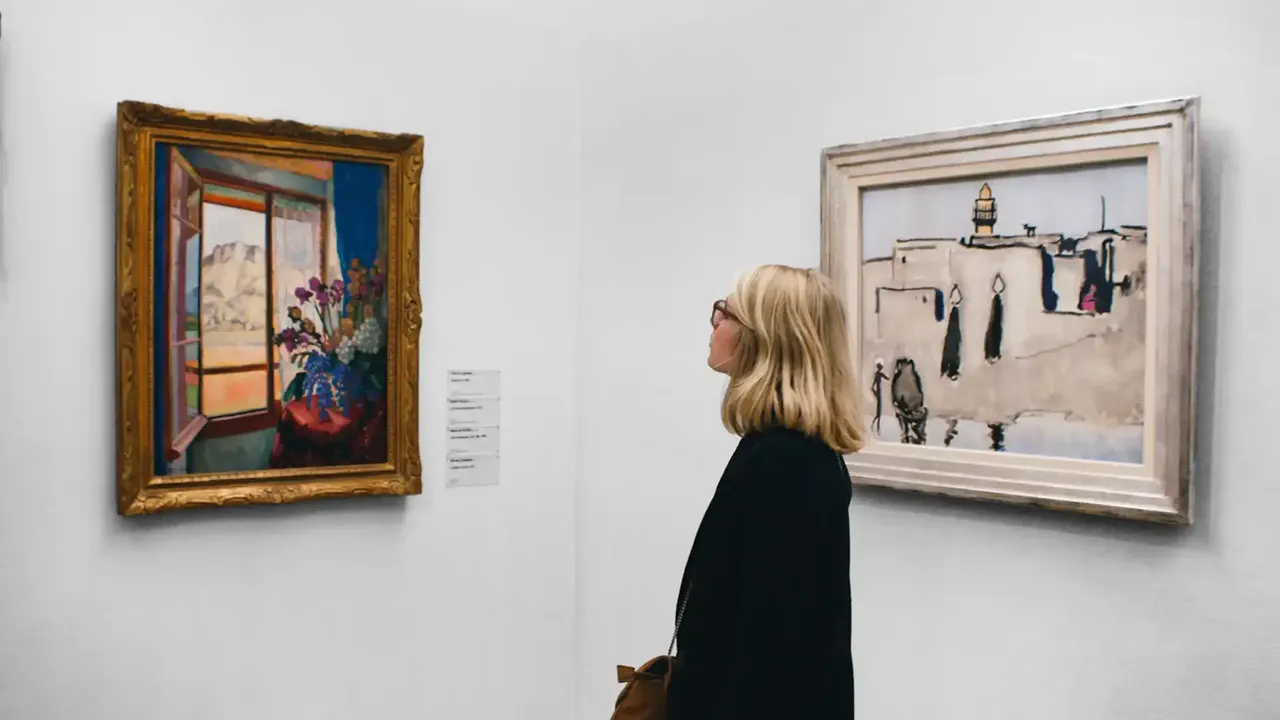
Museum texts on panels next to an artwork provide basic information, but they lack emotion. Not everyone enjoys reading, and children and visitors with a visual impairment often skip them. Stories, told by a professional voice actor, stick much better. In this article you can read why, and how to take the step from museum text to museum story.
The limitations of museum texts
Visitors usually read a museum text quickly, if they read it at all. The text is static, rarely moves the reader and competes with everything else there is to see in the room. The result: the information sticks less than you would like.
Why stories stick better
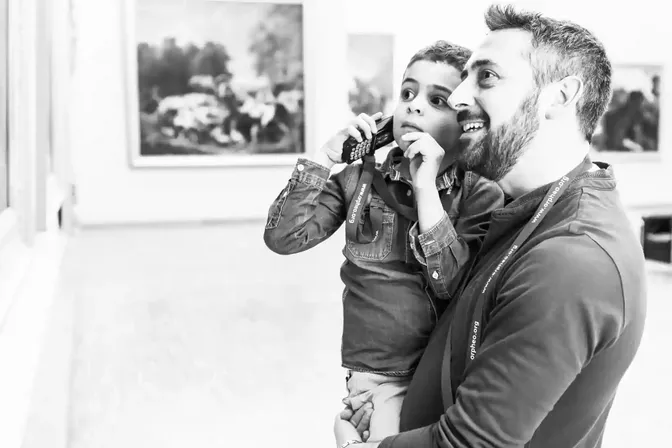
Stories grab attention and evoke emotions. A voice actor who describes a painting vividly lets the visitor feel the history. Research shows that visitors remember more with audio than with text panels alone (see the sources below). With a hybrid multimedia guide you can also combine audio with images, making the experience even stronger.
The role of professional voice actors
Voice actors bring craftsmanship. They modulate tone and pace, which keeps listeners captivated for longer. They use accents where that suits a historical piece. Without that skill, audio soon sounds flat. GuideXpresse's voice actors all work from their own professional studio. It is an investment, but one that pays for itself: visitors remember facts for longer than when they have to read everything.
From museum text to immersive experience
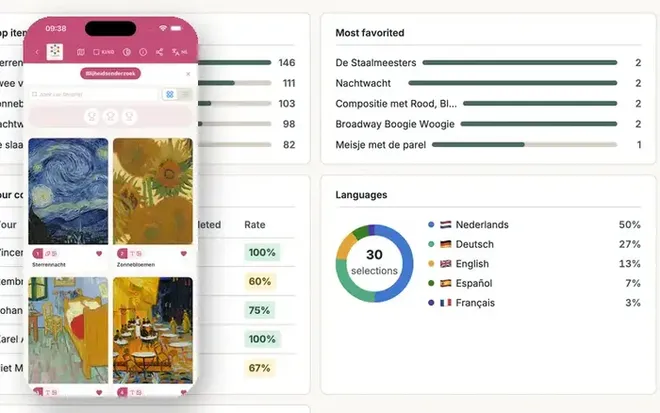
Museum texts inform, stories inspire. Orpheo's museum guides make that switch easy. They are user-friendly and visitors choose their own language. The hybrid versions add video as well. It is tempting to convert everything at once, but start small: test audio with the pieces that matter most for your venue.
You can also combine existing museum texts with augmented reality. Then it seems as if the person in the painting is telling the story themselves. Just read this story about Andy Warhol and sign language.
The future of the museum experience
More and more museums are embracing audio. Museum texts will remain, but stories are taking the leading role. Orpheo's museum guides are innovative and at the same time very easy to operate, and with AR integration the experience grows even further. Take the step: turn texts into stories. Your visitors will thank you for it.
Sources
- Study (2021) on inclusive audio description in museums: participants with audio remember more details after a month
- Research at the Indianapolis Museum of Art and the Smithsonian American Art Museum: visitors with an audio tour stay longer and remember more
- Paper (2016): 6% of visitors remember information from text labels, compared with more than 30% with audio guides
- MuseumNext: gamification in audio tours increases engagement among younger visitors
- Experimental research (2024): spatial audio leads to better recall of details
Updated on
Stay up to date
Every now and then, the news from GuideXpresse in a single email: museum guides, tour guide systems, software, service and voice-overs. Short and no more often than needed.

 References