
You have a unique story to tell and want to get it across to your visitors in an efficient, educational and entertaining way. Good visitor guidance contributes directly to the experience and to the image of your organisation. In this article we set out five ways of guiding visitors, so you can choose what suits your situation.
Why good visitor guidance matters
Visitor guidance is more than providing information. It creates an experience that is both educational and entertaining. With the right method, you increase your audience's engagement, get better reviews and see visitors come back more often. That applies to museums just as much as to events, factories and city walks.
Live or pre-produced
The five ways fall into two groups. With live guidance, a guide, interpreter or speaker talks and the audience hears it straight away. With pre-produced content, you make audio, video or interactive elements in advance and visitors experience them on their own.

1. A tour guide system for live guidance
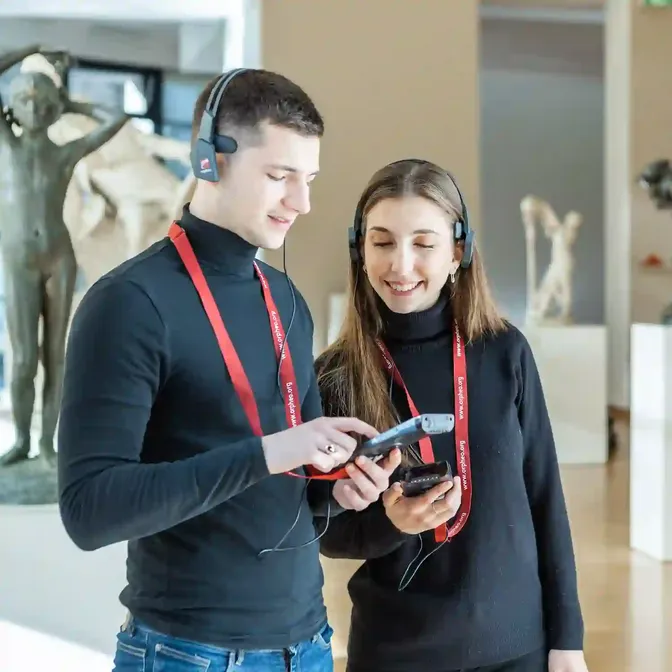
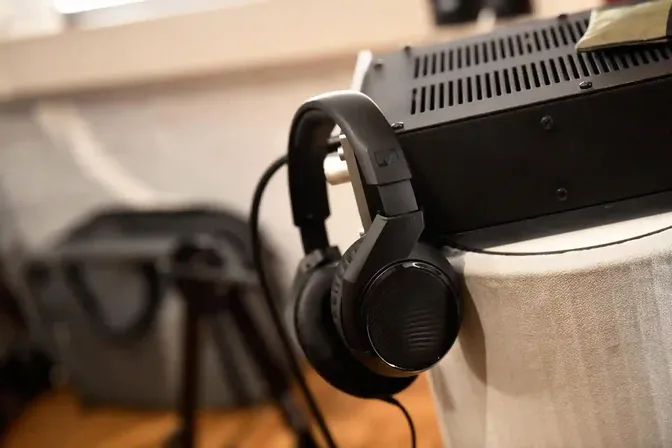
A tour guide system (also called a whisper set) transmits the voice of a guide, interpreter or speaker live to the listeners' headphones. It is ideal for guided tours, factory visits, city walks, court cases and weddings. Use it on the move with a group that walks around, or stationary with a fixed transmitter in a hall. When there is translation involved, we speak of an interpretation system.
2. Live streaming to smartphones
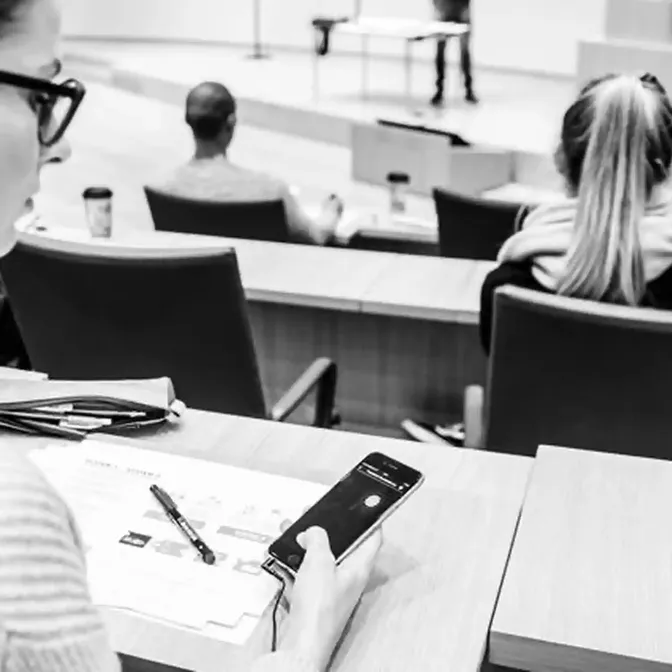
With live streaming, the audio from a fixed source, such as a mixing desk, goes via Wi-Fi to the audience's smartphones, in lip sync with the speaker. That is perfectly suited to lectures, speeches and events where the source does not move. Visitors use their own device, which makes it cost-effective and accessible. Read more about Sennheiser MobileConnect.
3. Audio guides
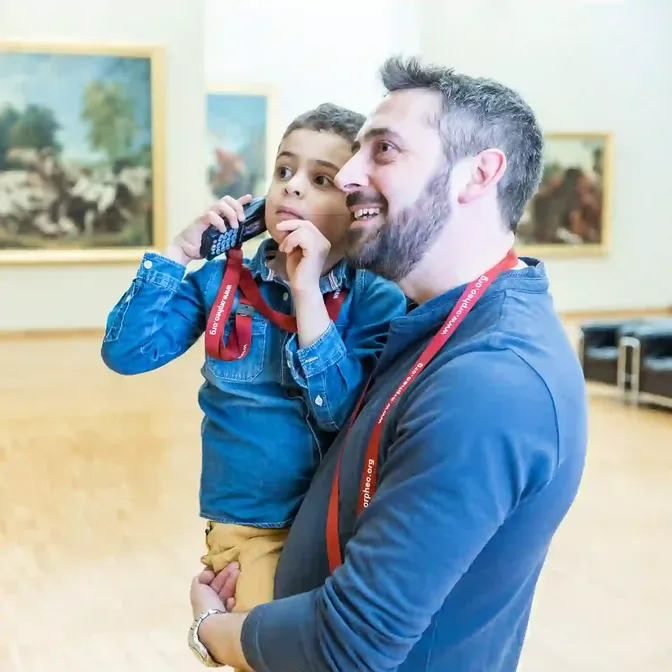
With pre-produced content, visitors experience the story independently and at their own pace. An audio guide is a portable device with pre-recorded stories that start manually or automatically. Ideal for museums, exhibitions and historic sites, with consistent quality for every visitor.
4. Multimedia guides
A multimedia guide goes one step further than audio. With images, video, augmented reality, virtual reality and games, it creates an immersive experience. Choose a hybrid multimedia guide if you also want to give live tours, or an AR+VR multimedia guide for the richest interactive experience.
5. Apps
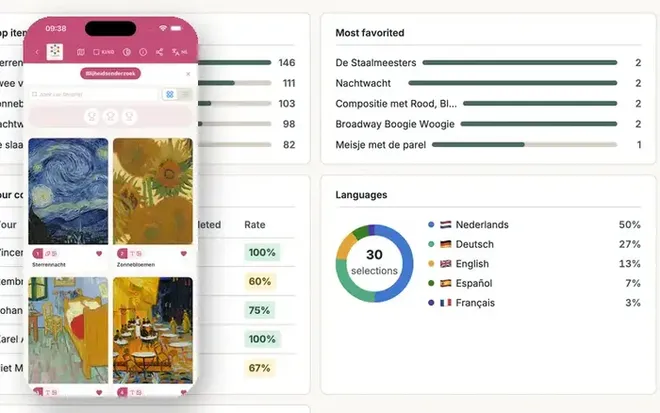
Apps offer similar possibilities on the visitor's smartphone. A progressive web app opens in the browser without installation, while a native app from the app store offers the most features. Read PWA or dedicated app? to see which choice suits you.

Which way suits you?
A combination is often strongest: an audio guide for individual visitors and a tour guide system for groups, or an app with hardware as a back-up. Not sure? We are happy to help you choose.
Updated on
Stay up to date
Every now and then, the news from GuideXpresse in a single email: museum guides, tour guide systems, software, service and voice-overs. Short and no more often than needed.
 References