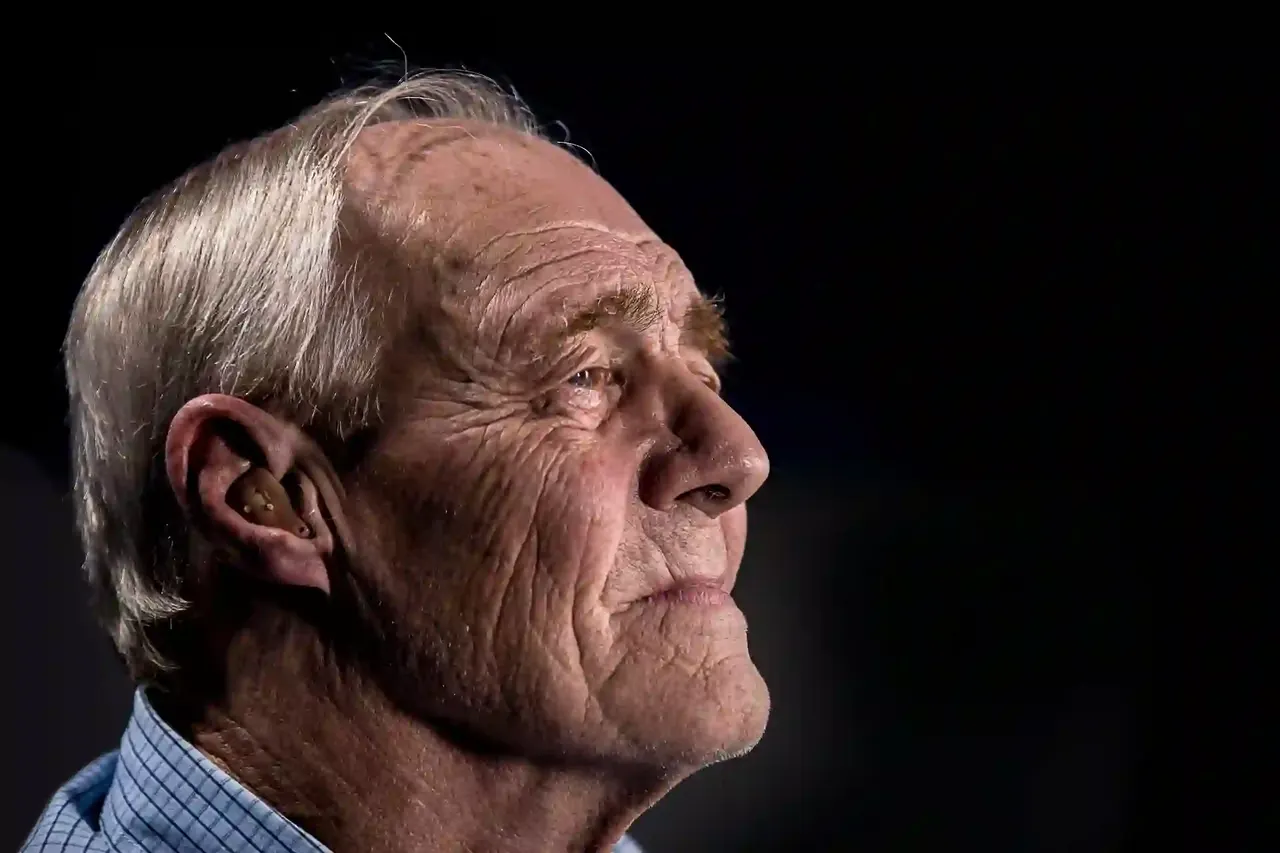
Hearing damage is a growing problem in our noisy world. Concerts, earbuds and noise in the workplace can damage hearing permanently. Every now and then, the claim pops up that a glass of red wine might help. Is that true? In this article we set out what research says about alcohol, red wine and hearing, and what really helps to prevent hearing damage.
How does hearing damage occur?
Hearing damage occurs when the hair cells in the inner ear are damaged. These cells convert sound waves into signals for the brain, but they do not repair themselves. The main causes:
- Noise: prolonged exposure to sound above 80 to 85 dB, such as at festivals, in factories or on construction sites.
- Age: age-related hearing loss often starts around the age of fifty or sixty.
- Other factors: smoking, obesity and certain medicines increase the risk.
Prevention is therefore crucial: wear hearing protection and limit your exposure to loud noise.
Alcohol and hearing
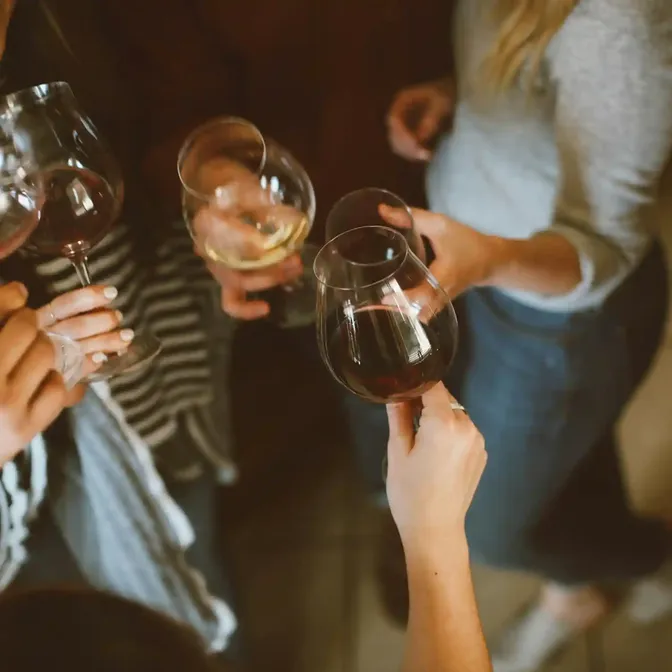
The relationship between alcohol and hearing damage is complicated. Older studies suggested that moderate drinking could be protective thanks to better blood flow. More recent research paints a more nuanced picture:
- Heavy drinking increases the risk of hearing loss. A Japanese study from 2025 links more than 60 grams of alcohol a day to greater hearing loss in men.
- Alcohol temporarily raises the hearing threshold. In a noisy environment that is extra risky: you are slower to notice that it is too loud.
- Review studies show that heavy alcohol use causes oxidative stress, which damages the hair cells.
Red wine and resveratrol
Red wine contains resveratrol, an antioxidant from the skin of red grapes. The substance receives a lot of attention in research into hearing damage:
- In animal studies, resveratrol protects the hair cells against damage from loud noise.
- Studies point to a possible protective effect against age-related hearing loss, especially when the substance is taken early.
- Electron microscopy research shows less damage after acoustic trauma.
But be careful: most of the evidence comes from animal studies and from doses of resveratrol that you would never get from a glass of wine. What is more, the alcohol in that wine works against you. So red wine is not hearing protection.
What does help?
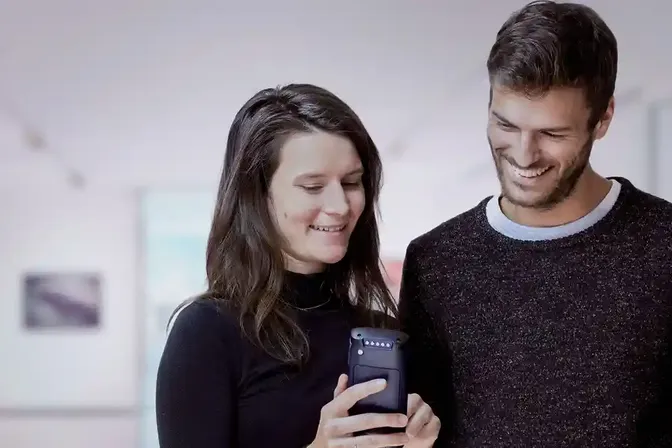
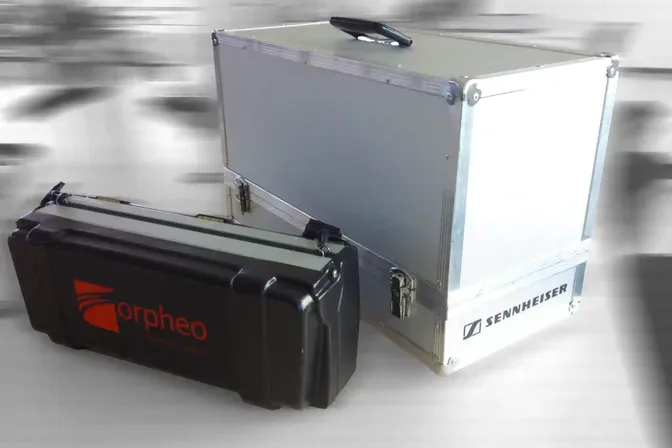
The best protection is simply less loud noise. That also applies to tours in a noisy environment, such as a factory. A guide who has to talk over the machines raises their voice, and the visitors strain their ears. With a tour guide system and good headphones, the guide speaks at a normal volume and the visitors hear them clearly, without the volume having to go up. That is better for the hearing of your employees and your visitors alike. Also read four reasons to use a tour guide system on a factory tour.
Conclusion
Hearing damage is permanent and therefore serious. Resveratrol from red wine is an interesting subject of research, but no reason to have an extra glass. Protect your hearing with less noise, hearing protection and good equipment. For personal advice, always consult a doctor or audiologist.
Sources
- Scientific Reports (2025): age and hearing loss
- Hearing Research (2025)
- Novus Health: the surprising link between alcohol and hearing loss
- CUNY Academic Works: alcohol and hearing
- hear.com: alcohol and hearing
- PubMed: resveratrol and hearing
- Frontiers in Neuroscience (2023)
- AudiologyOnline: resveratrol shows promise
- ScienceDaily (2013): resveratrol and noise damage
- PMC: resveratrol and age-related hearing loss
- PMC: resveratrol and the auditory system
Updated on
Stay up to date
Every now and then, the news from GuideXpresse in a single email: museum guides, tour guide systems, software, service and voice-overs. Short and no more often than needed.

 References